212 models
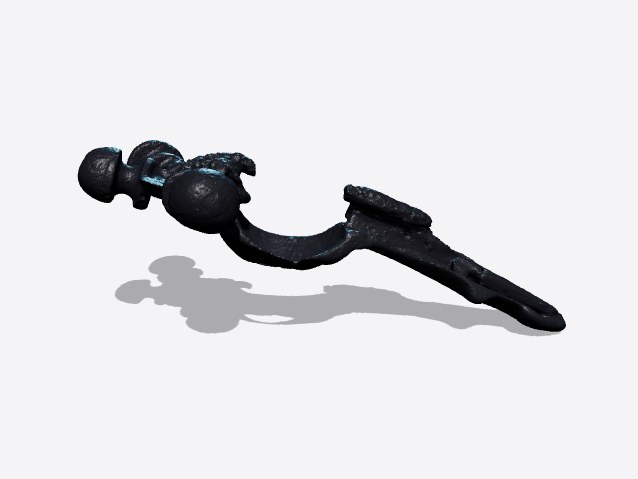
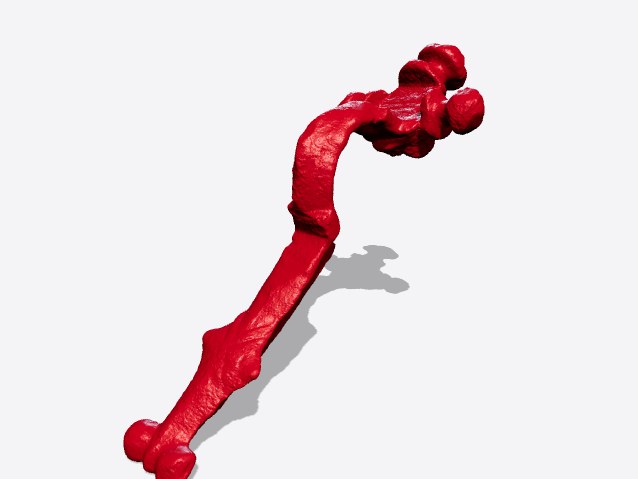
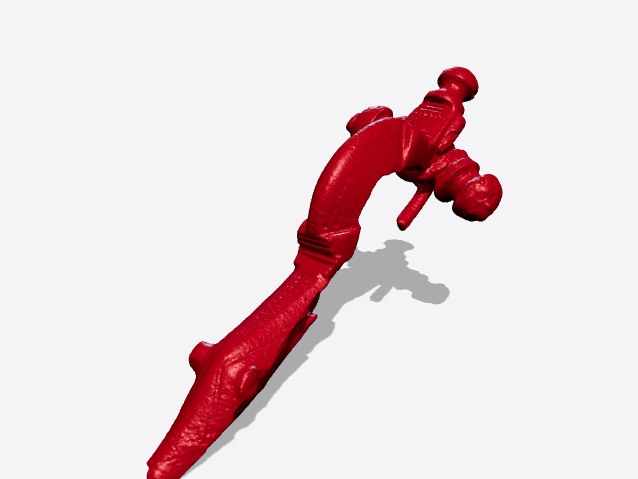
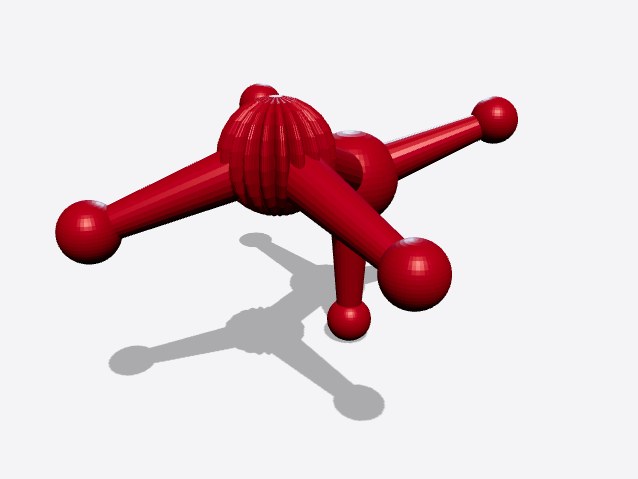
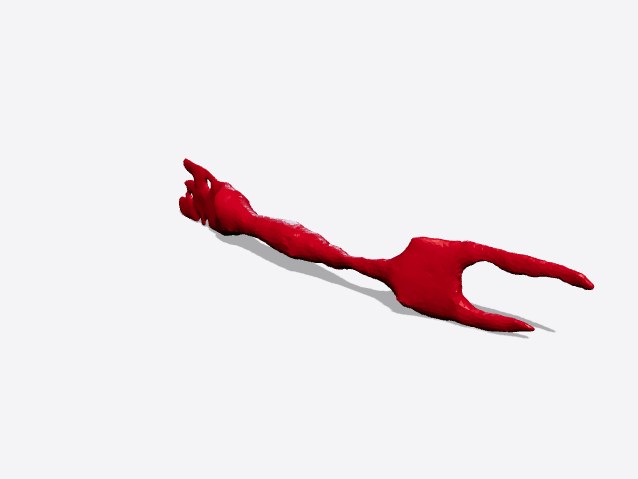
A cruciform brooch from northern Norway, AD 400-550, catalogue Ts. 2380 at The Arctic University Museum of Norway.
A cruciform brooch from northern Norway, AD 400-550, catalogue Ts. 1240 at The Arctic University Museum of Norway.
A cruciform brooch from northern Norway, AD 400-550, catalogue Ts. 11140 at The Arctic University Museum of Norway.
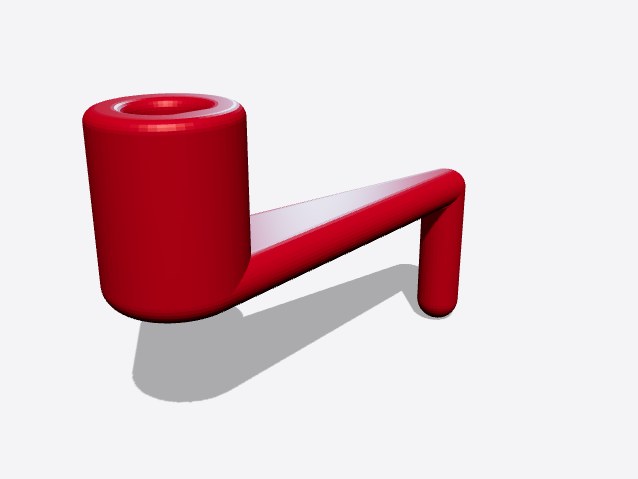
Printable holders for making high-magnification homemade lenses for a simple microscope.
Tactile organic chemistry models with braille labels (1 Å = 15 mm), designed for blind and sighted students.
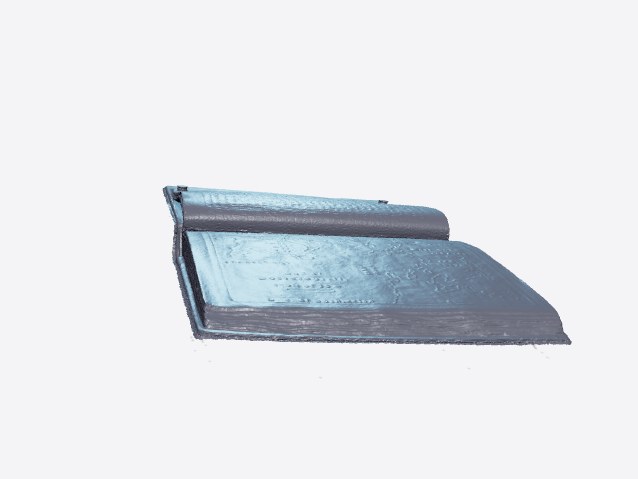
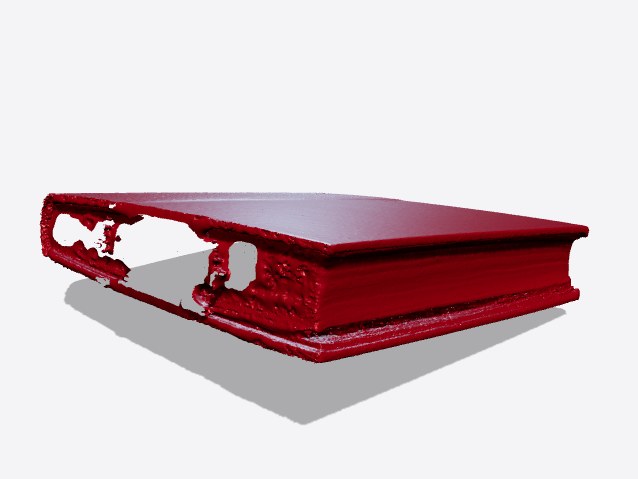
A historic tactile atlas for blind readers, with raised maps.
'A Trap for Judges', a landmark Russian Futurist book printed on wallpaper.
Parts for a classroom wave machine that shows how waves travel.
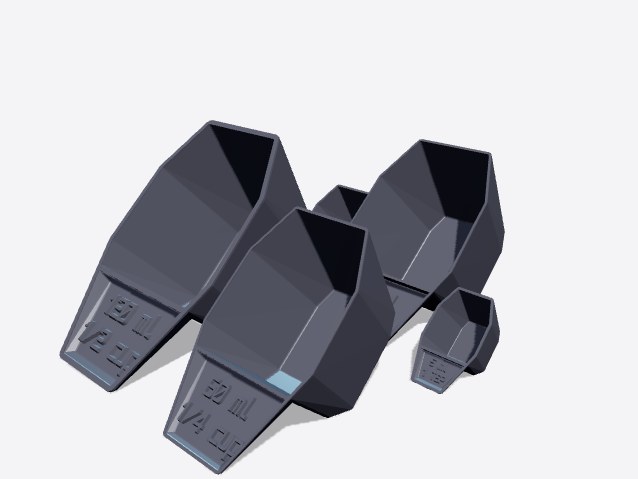
Nesting measuring cups for kitchen-math fraction lessons.
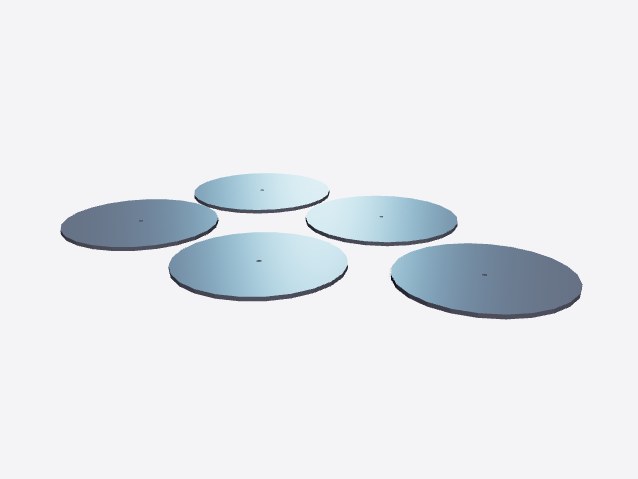
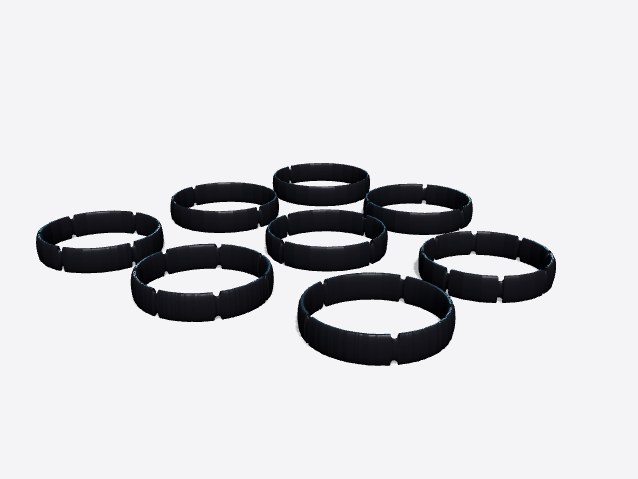
Nesting ring sets with holders for exploring circles and measurement.
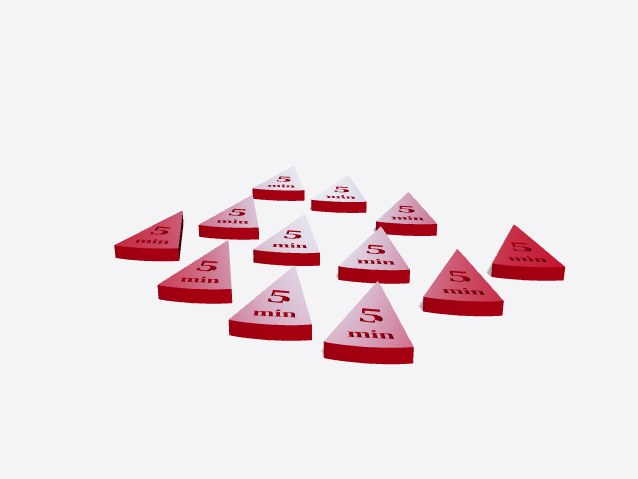
Small pieces for learning to tell time in 1, 5 and 15 minute steps.
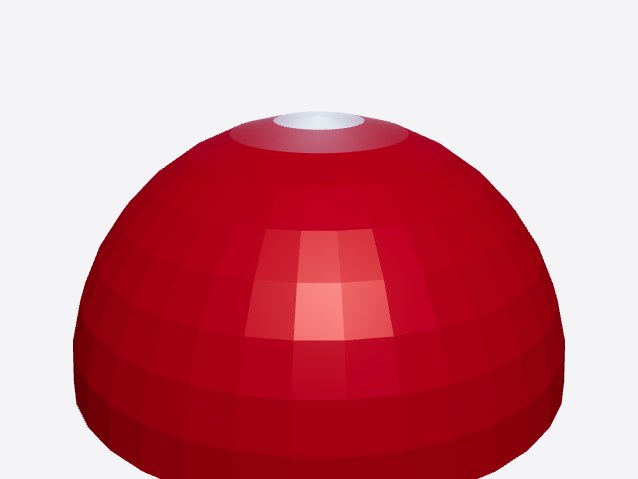
Orange-shaped hemispheres split into halves, thirds, quarters, eighths and ninths for teaching fractions.
A turtle-shaped board with pegs for early math games.
A segmented snake for practicing decimals and place value.
Bobbin, armature cap and gutter for a see-through linear motor science kit.
Holders for a classroom optics bench: lens, screen and slide.
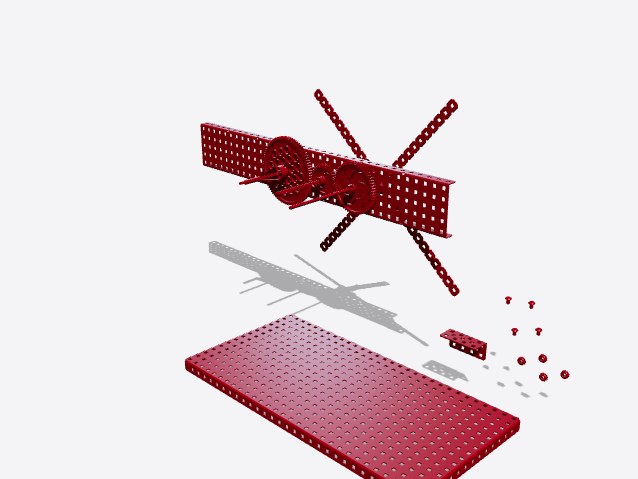
A wind turbine gear train with a deliberately broken version for troubleshooting lessons.
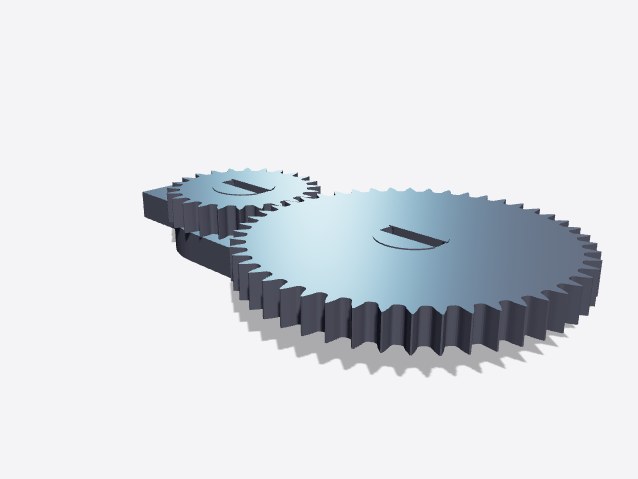
A printable gear train for learning gear ratios, from UVA's classroom fabrication kits.
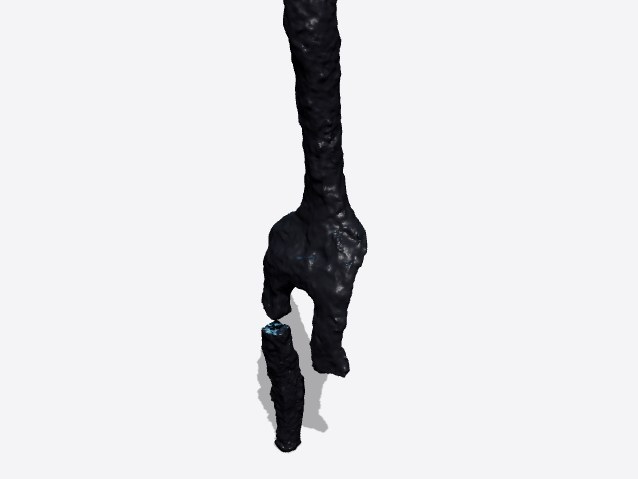
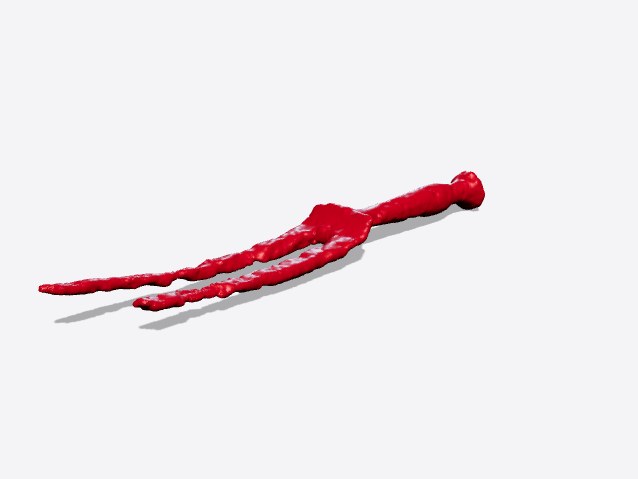
Excavated by Monticello's archaeology team at Thomas Jefferson's plantation in Virginia, where enslaved blacksmiths and nailers worked iron.
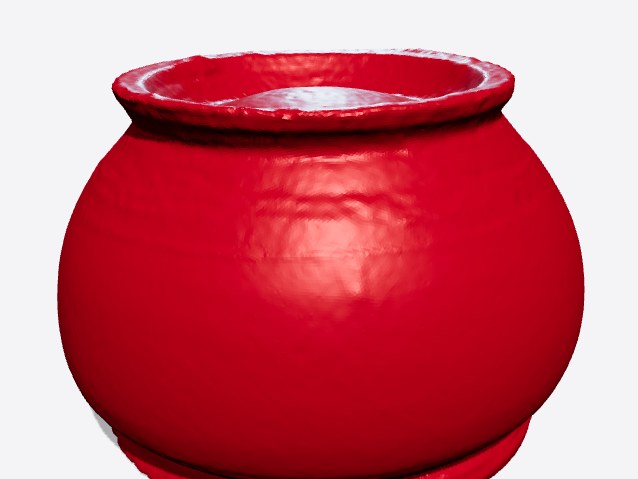
An ancient Greek pyxis, a lidded box for cosmetics or jewelry. Body and lid print separately.
A slender Greek lekythos used for olive oil.
A tiny round Corinthian aryballos that held perfumed oil for athletes.