253 models
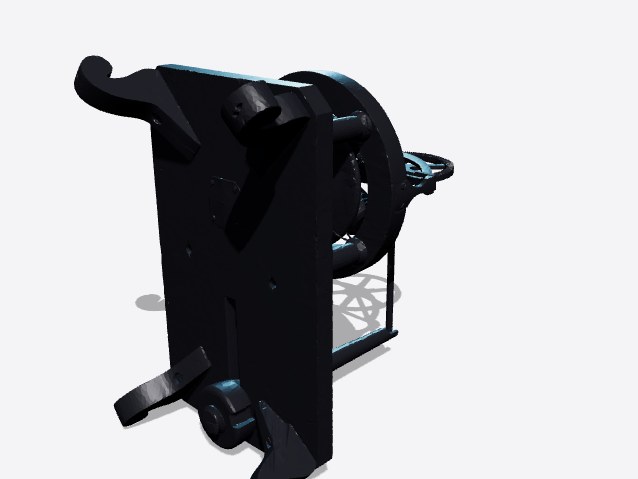
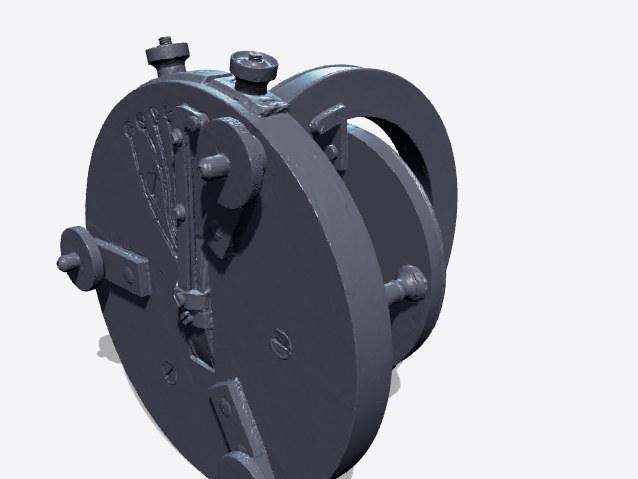
Davenport electric motor, US patent #132, 3D-scanned by the Smithsonian National Museum of American History and released to the public domain (CC0).
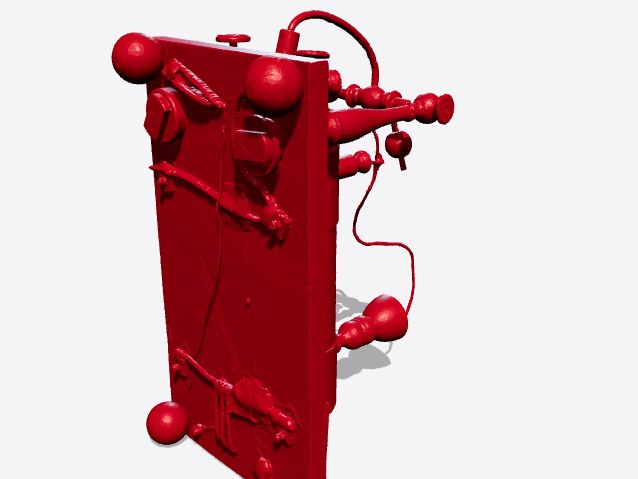
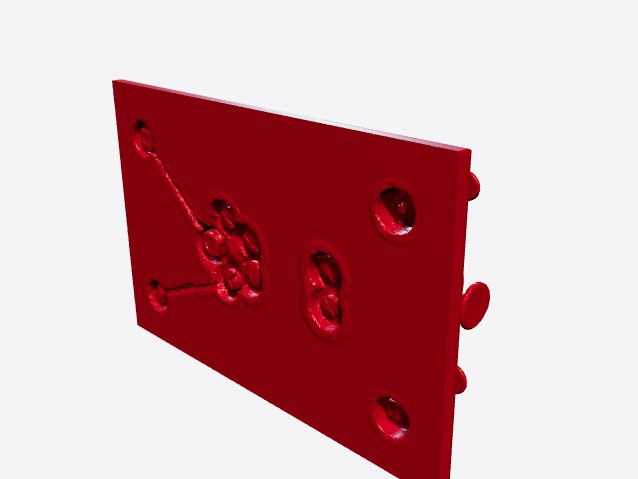
Patent model, Page induction coil, US #76654, 3D-scanned by the Smithsonian National Museum of American History and released to the public domain (CC0).
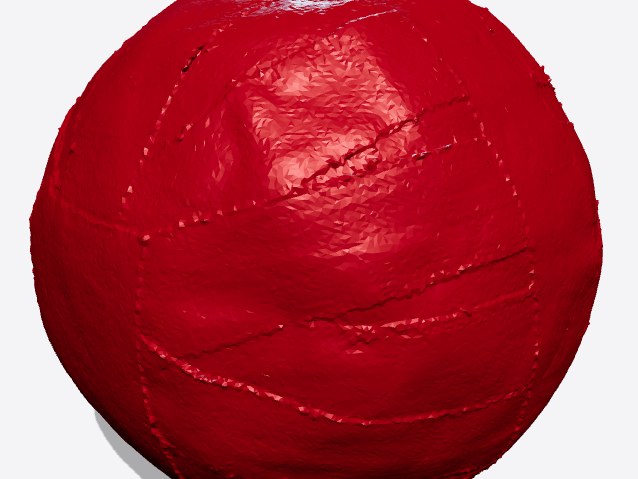
Baseball, 3D-scanned by the Smithsonian National Museum of American History and released to the public domain (CC0).
Western Electric tangent galvanometer, 3D-scanned by the Smithsonian National Museum of American History and released to the public domain (CC0).
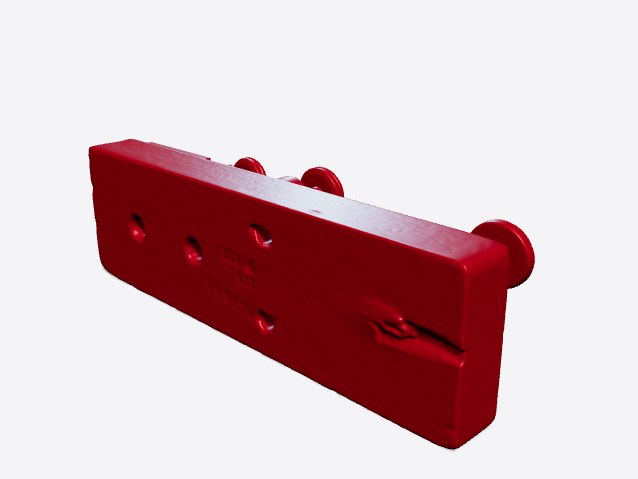
Morse-Vail Telegraph Key, 3D-scanned by the Smithsonian National Museum of American History and released to the public domain (CC0).
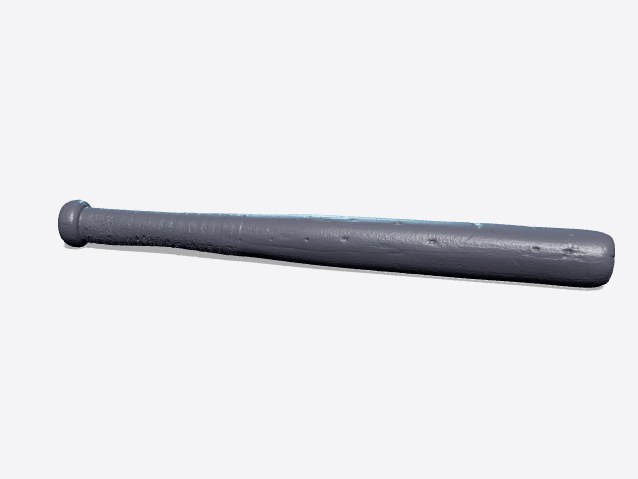
The Peace Keeper baseball bat, 3D-scanned by the Smithsonian National Museum of American History and released to the public domain (CC0).
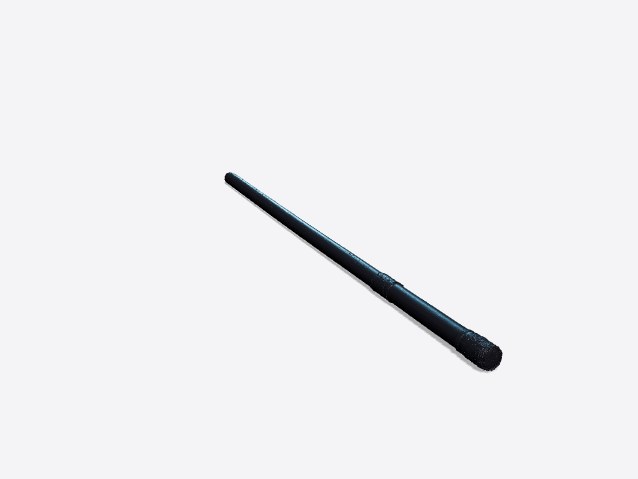
Slugger's stickball baseball bat, 3D-scanned by the Smithsonian National Museum of American History and released to the public domain (CC0).
Chester telegraph relay, 3D-scanned by the Smithsonian National Museum of American History and released to the public domain (CC0).
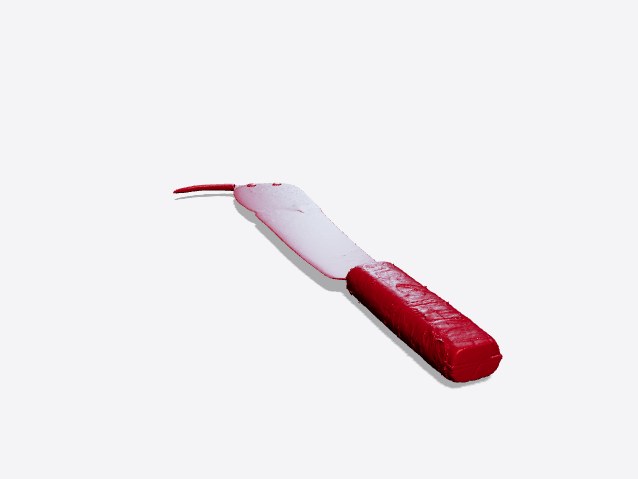
De la Fuente sugar beet knife, 3D-scanned by the Smithsonian National Museum of American History and released to the public domain (CC0).
Medieval and early-modern wax seals of Heidelberg University, scanned at very high resolution (CC BY-SA, files up to 1 GB).
A 1.6 GB CC0 scan of a runestone from Harstad, northern Norway, for those who want every chisel mark.
Jefferson's Rotunda, Rosenwald schools, bridges and historic houses scanned by the University of Virginia (CC0). Most building scans are very large.
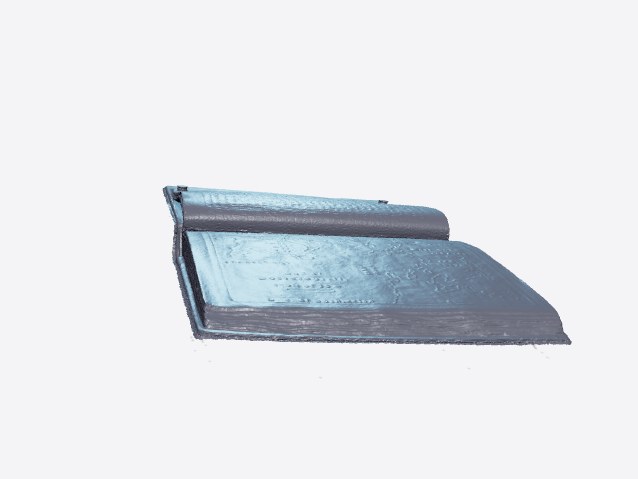
A historic tactile atlas for blind readers, with raised maps.
'A Trap for Judges', a landmark Russian Futurist book printed on wallpaper.
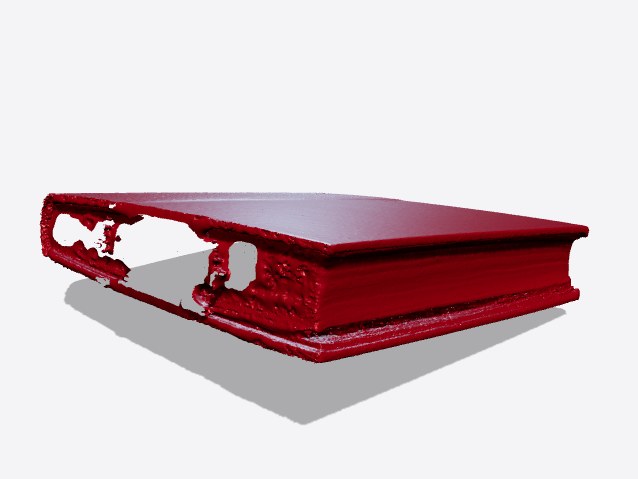
Marinetti's Futurist 'explosive novel' in its original binding.
Marinetti's famous Futurist sound-poetry book, scanned as an object at Harvard.
The same historic camera obscura, shown closed.
A historic box camera obscura, the ancestor of the photographic camera, shown open.
Excavated by Monticello's archaeology team at Thomas Jefferson's plantation in Virginia, where enslaved blacksmiths and nailers worked iron.